Melissa Font: A Versatile Embroidery Choice for Craft Fair Sellers
First Impressions: Soft, Elegant, and Highly Customizable
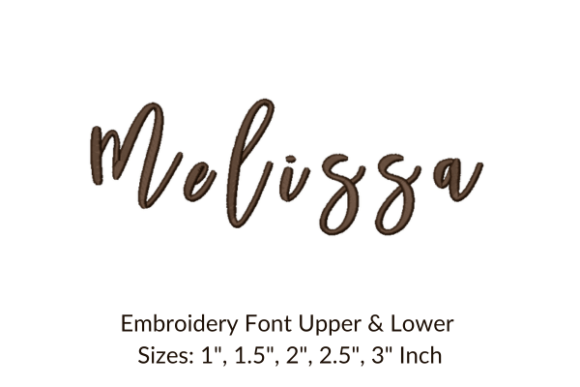
As an embroidery designer preparing for a weekend craft fair, the Melissa Font Embroidery Design immediately stands out as a soft, elegant font with a touch of decorative flair. It's not overly bold or playful, but instead strikes a balance between legibility and charm. This makes it ideal for customers looking for personalized gifts with a refined, handmade touch.
From a selling perspective, Melissa Font feels premium without being too formal. It reads as both approachable and upscale—perfect for tote bags, aprons, tea towels, and other giftable handmade items that appeal to a wide audience.
How Melissa Font Performs on Craft Fair Products
When planning a booth display, I always consider which embroidery designs will draw attention and translate well across a variety of products. Here's how the Melissa Font Embroidery Design holds up across key handmade items:
- Tote Bags: Works beautifully as a centered name or quote. Its legibility at a medium size makes it perfect for tote personalization.
- Aprons: Adds a boutique-level finish when used for names or short phrases above the pocket or along the strap.
- Tea Towels: Ideal for embroidered quotes or family names. The softness of the font complements farmhouse or minimalist kitchen decor.
- Caps: Best used for small initials on curved surfaces. Test the font at this scale to ensure clarity and stitch density don't compromise readability.
- Patches: Can be stitched cleanly on patches if lettering size is maintained above 0.25 inches.
- Fabric Pouches & Pillow Covers: Adds a personalized touch without overwhelming the small space. Great for Etsy sellers offering monogrammed items.
- Printable Mockups: Photographs well due to its clean lines and balanced spacing, making it a strong asset for digital sellers creating Etsy listings.
Practical Selling Points: Visibility, Scalability, and Batch Production
One of the first things I assess as an embroidery business owner is whether a design is easy to understand at a glance—and Melissa Font passes that test. It’s clearly a font meant for names and short text, which makes it intuitive for customers to imagine on their own products.
It works best as a medium-sized focal point rather than a tiny accent. That said, if you're planning to use it on small items like caps or pouches, be sure to test the font at that size first. For batch production, its clean structure and predictable spacing make it a repeatable design that can be applied across dozens of tote bags or tea towels without losing quality.
Careful-Use Considerations for Embroidery Crafters
While Melissa Font is elegant, there are a few potential pitfalls to watch for:
- Dense stitch areas: If the font has thick strokes or decorative elements, it may require more stabilizer support, especially on lightweight or stretchy fabrics.
- Small lettering: Avoid shrinking the font too much. Tiny letters can become illegible or lose their intended style.
- Thick or textured fabric: Use a lightweight version of the font on thick towels or denim to prevent stitches from blending together.
- Curved surfaces: Caps and curved apron straps may distort the font slightly. Test on a curved hoop or mockup before mass production.
- Dark fabric: Consider thread contrast. A soft font like Melissa may not stand out well on black or navy without a light or metallic thread choice.
Impact on Booth Display and Customer Engagement
At a craft fair, visual appeal is everything. The Melissa Font Embroidery Design contributes to a clean, curated booth display. It pairs well with neutral colors and minimalist designs, helping handmade products feel intentional and boutique-quality.
Customers tend to linger longer at booths that offer personalization. Melissa Font gives you that option without being too flashy—it's elegant enough to appeal to gift buyers and practical enough for school-themed items. Whether used for embroidered name tags on aprons or custom quotes on tea towels, it elevates the perceived value of your handmade product.
Designer Notes: Testing, Stabilizing, and Licensing
Before diving into production, here are a few practical steps every embroidery designer should take:
- Test the design on scrap fabric: Always run a sample to check for clarity, especially at your intended size.
- Check thread contrast: Make sure the font stands out on your chosen fabric color.
- Review spacing: Ensure letters don’t run together, especially when using all caps or condensed versions.
- Confirm hoop size: Know your machine’s limitations and how they affect letter height and line count.
- Inspect stitch density: Avoid overly dense areas that could pucker fabric or cause thread breaks.
- Use the right stabilizer: Lightweight stabilizers work for soft fabrics; heavier ones are better for textured or thick materials.
- Create a real mockup: A digital mockup is great, but nothing beats seeing the Melissa Font Embroidery Design stitched in person.
- Compare fabric colors: Test the font on light, medium, and dark backgrounds to see where it shines best.
- Confirm commercial licensing: Always check that the embroidery file you’re using allows for resale of finished products, especially if you're an Etsy seller or boutique maker.
Final Thoughts: A Smart Addition to Your Embroidery Business
For craft fair sellers and embroidery business owners, the Melissa Font Embroidery Design is a versatile, elegant choice that can elevate your handmade products. Whether you're personalizing tote bags, creating aprons for school events, or stitching custom pillow covers, this font offers a clean, professional look that customers appreciate.
Its adaptability across fabric types and product styles makes it a valuable asset for digital embroidery files and commercial embroidery alike. Just remember to test thoroughly, consider fabric texture, and ensure licensing allows for resale. With the right approach, Melissa Font can help you create standout items that sell fast at your next craft fair or online shop.