Just a Girl Who Loves Books: A Designer’s Review for Business Embroidery
First Impressions: Charming, Approachable, and Versatile
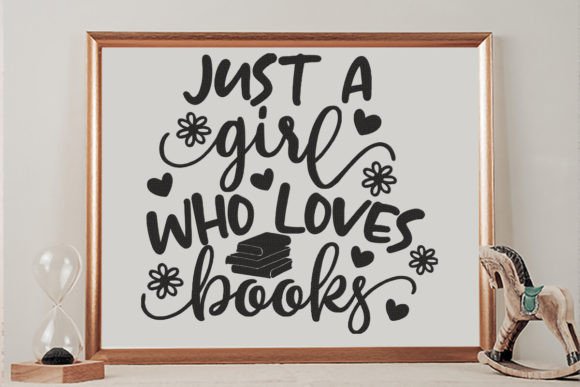
As an embroidery designer, I look for designs that balance personality with professionalism. Just a Girl Who Loves Books immediately strikes a friendly, whimsical tone. The name suggests a cozy, literary charm that could resonate with bookstores, libraries, small cafés, or creative studios with a literary theme.
From the product description, this machine embroidery design seems to lean into a handmade aesthetic while still offering enough polish for small business use. It’s not overly complex, which makes it ideal for embroidered patches, boutique merchandise, and custom apparel. It feels like a design that can work in both modern and classic settings, especially for brands that want to project warmth and approachability.
Real-World Business Applications: From Patches to Product Branding
Let’s say a local indie bookstore wants to create embroidered tote bags, staff aprons, and branded patches for customer gifts. Just a Girl Who Loves Books would serve as a perfect visual anchor. Its charm-focused description suggests it can elevate everyday items into something memorable and marketable.
- Embroidered patches: This design could easily be resized and used as a patch on backpacks, jackets, or store aprons. Its literary theme makes it a conversation starter.
- Cap embroidery: If the design includes a central motif like a book or reading figure, it could work well centered on a cap front, especially for staff uniforms or event merch.
- Tote bag design: A tote bag with this embroidery adds instant personality. It’s perfect for Etsy sellers or boutique owners offering custom literary-themed merchandise.
- Apron embroidery: For a cozy café or bakery with a bookish theme, embroidering this on aprons adds a branded touch that’s both functional and decorative.
- Product packaging accents: Embroidered tags or small patches can be sewn into handmade product packaging, enhancing the perceived value of the item inside.
This design also has potential for use in printable mockups to pitch to clients or showcase on digital storefronts. It’s the kind of design that can sit comfortably alongside other brand assets without feeling out of place.
Where to Use It Carefully: Fabric, Size, and Detail Considerations
While the design sounds versatile, there are a few potential pitfalls to watch for when using it commercially:
- Small patch sizes: If the design contains lettering or intricate outlines, it may not hold up well when reduced to under 2 inches. Always test at intended size before production.
- Cap fronts: Curved surfaces can distort detailed embroidery. Make sure the file is optimized for caps or adjust the layout accordingly.
- Textured fabric: Rough or loosely woven materials may cause the design to pucker or lose clarity. Use proper stabilizer and test on sample fabric.
- Dark uniforms: Light thread colors may not contrast enough on dark fabrics. Consider thread color adjustments for visibility.
- High stitch density: If the design is tightly stitched, it might stiffen the fabric or cause shrinkage. Check for flexibility after stitching.
Always inspect the embroidery file for spacing and density before stitching. If it’s meant for commercial embroidery, confirm that the file comes with proper licensing for resale or branded use.
Brand Identity Impact: Adding Charm with Purpose
For small businesses, every visual element matters. Just a Girl Who Loves Books has the potential to become a signature design that communicates warmth and creativity. It’s not just decorative—it can be a key part of your brand identity, especially if your brand voice is playful, thoughtful, or community-oriented.
Used consistently across custom apparel, small business merch, and packaging, this design can boost customer recognition and trust. It subtly signals that your brand values craftsmanship and personality—especially important for Etsy sellers or handmade brands competing in a crowded market.
However, it’s crucial to maintain visual consistency. If your other design assets are minimalist or modern, this more decorative embroidery might feel out of place unless balanced with simpler elements.
Designer Notes: Testing, Mockups, and Practical Checks
Before using Just a Girl Who Loves Books in any production run, here are the steps I recommend:
- Test in black and white first: This helps identify clarity issues without the distraction of color.
- Check small patch size compatibility: Resize the design and stitch a sample to see if it holds detail.
- Review thread color contrast: Especially on dark or textured fabrics, ensure readability and visual impact.
- Inspect spacing and density: Look for thread bunching or gaps that could compromise durability.
- Confirm hoop size: Make sure it fits your machine and is appropriate for the intended item (e.g., cap frames vs. standard hoops).
- Test on real fabric: Don’t rely solely on stabilizer samples—always test on the actual material.
- Use proper stabilizer: Lightweight fabrics need lightweight stabilizer; heavy-duty items need more support.
- Create a mockup for client approval: Use software to visualize the design on the final product before stitching.
- Compare with other design assets: Ensure it fits cohesively within your existing visual branding.
- Confirm commercial licensing: Never assume a design is safe for resale—always check license terms before use.
Final Thoughts: A Thoughtful Touch for Literary Brands
Just a Girl Who Loves Books is more than a cute embroidery—it’s a branding opportunity. Whether you’re creating staff uniforms for a cozy bookstore or embroidered tote bags for a literary event, this design offers a charming, handmade feel with real commercial potential.
As with any digital embroidery file, success comes down to testing, thoughtful placement, and alignment with your brand’s visual story. If you're in the business of creating handmade product branding, boutique merchandise, or custom apparel, this design could become a go-to asset for literary-themed clients and creative small businesses.