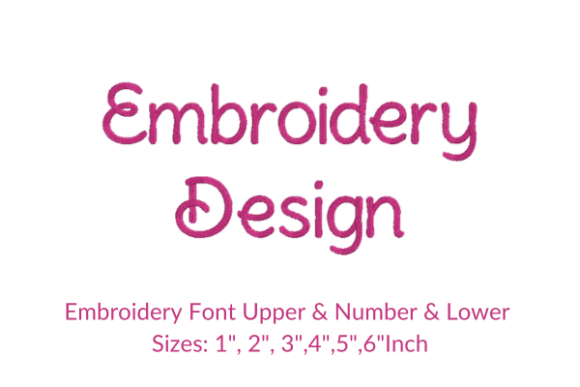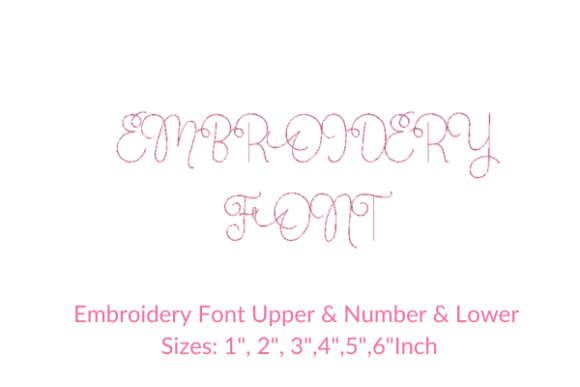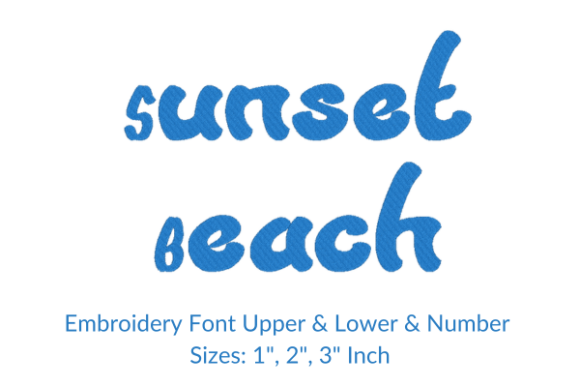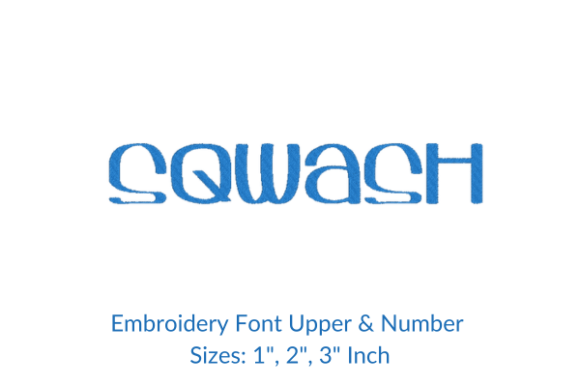
Greek Stone Font Embroidery Design
First Impressions: Rustic, Timeless, and Versatile Typography
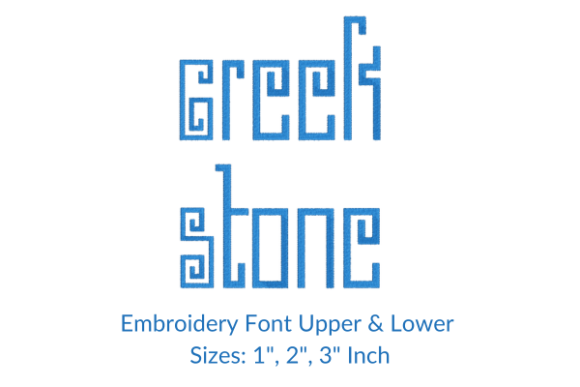
As an experienced embroidery designer, the Greek Stone Font Embroidery Design immediately caught my eye with its classic, hand-carved aesthetic. The name suggests a timeless, slightly weathered appearance, and the description reinforces that it's ideal for personalization. This font feels rustic, handmade, and subtly premium—perfect for small businesses looking to add a touch of authenticity and craftsmanship to their merchandise.
Business Use Breakdown: From Patches to Product Labels
When evaluating machine embroidery designs for commercial use, I always consider how they translate across a variety of applications. The Greek Stone Font Embroidery Design is particularly well-suited for:
- Embroidered patches – Its textured strokes hold up well in patch designs, especially for boutique logos or school-related merchandise.
- Staff uniforms – Works beautifully on chest or sleeve placements, adding a professional, personalized touch.
- Apron embroidery – Ideal for cafes, bakeries, or craft studios that want to display names or brand slogans with character.
- Cap embroidery – The font’s weight and spacing make it readable even on curved surfaces like baseball caps.
- Tote bag design – Perfect for boutique packaging or customer gifts, especially when embroidered with a business name or tagline.
- Product packaging accents – Can be used on fabric tags or embroidered labels for handmade products or Etsy listings.
Whether used for custom apparel, event merch, or craft business assets, this font adds a sense of heritage and sincerity to the brand.
Where to Use with Care: Fabric, Size, and Stitch Considerations
While the Greek Stone Font Embroidery Design is versatile, it does require thoughtful placement. Here are a few scenarios where extra attention is needed:
- Small patch sizes – The detailed outlines may get lost at very small dimensions, so test at scale before full production.
- Cap fronts – Curved surfaces can distort the lettering, so always do a physical mockup.
- Tiny lettering – Best used at medium to large sizes to preserve legibility and texture.
- High stitch density – Depending on the file, it may require more thread and time, affecting cost and durability.
- Textured fabric – Rougher materials like canvas or twill may exaggerate the rustic look—this can be a pro or con depending on your goal.
- Dark uniforms – Ensure thread color contrast is strong enough to maintain visibility.
- Frequent washing – Dense embroidery can wear faster on high-use items like aprons, so consider durability and stabilizer use.
Brand Identity Impact: Building Trust Through Typography
Typography plays a crucial role in shaping brand identity. The Greek Stone Font Embroidery Design brings a tactile, artisanal quality that resonates well with small businesses, especially those in the handmade, creative, or local commerce space. It communicates:
- Authenticity – Feels handcrafted and intentional, not mass-produced.
- Professionalism – Despite its rustic look, it maintains a clean, readable structure.
- Customer trust – Adds a personal touch that makes products feel more valuable and unique.
- Visual consistency – Works well alongside other design elements for a cohesive brand presentation.
For small business merch like tote bags, aprons, or embroidered patches, this font helps build a memorable brand presence that customers can connect with emotionally.
Practical Notes for Embroidery Designers and Merch Creators
Before integrating the Greek Stone Font Embroidery Design into a client project or product line, here are some essential steps I always follow:
- Test it in black and white first – Helps identify clarity and spacing issues before color choices complicate things.
- Check small patch sizes – Always run a test stitch at the intended size to ensure legibility and detail retention.
- Review thread color contrast – Especially important on dark or textured fabrics.
- Inspect spacing and density – Avoid overcrowding on tight areas like sleeves or cap fronts.
- Confirm hoop size – Ensure the font fits within your machine’s hoop capacity, especially for longer names or quotes.
- Test on real fabric – Always embroider a sample on the actual material the client will use.
- Use proper stabilizer – Prevents puckering and distortion, especially on stretchy or delicate fabrics.
- Create a mockup for client approval – Use a printable mockup to show placement and scale before stitching.
- Compare it beside other design assets – Make sure it aligns with your brand’s visual language and other logo elements.
- Confirm commercial licensing – Ensure the digital embroidery file allows for business use, especially for resale or bulk production.
Final Thoughts: A Solid Choice for Authentic Branding
The Greek Stone Font Embroidery Design stands out as a strong contender for handmade brands, Etsy sellers, and local businesses looking to elevate their custom apparel and merchandise. It strikes a perfect balance between rustic charm and professional execution, making it ideal for embroidered patches, product labels, and branded apparel.
Its adaptability across school-related merchandise, event merch, and creative studio branding makes it a smart addition to any embroidery designer’s toolkit. Just remember to test thoroughly, consider fabric and size limitations, and ensure licensing aligns with your business needs.
Whether you're creating apron embroidery for a café or cap embroidery for a boutique, the Greek Stone Font Embroidery Design delivers a timeless, handcrafted appeal that enhances your finished product and strengthens your brand identity.